Rep. Steve Toth Teams Up with Democrats to Kill Property Tax Relief

Rep. Steve Toth Teams Up with Democrats to Kill Property Tax Relief

[TX-02] – Earlier this month, State Representative Steve Toth stunned Congressional District 2 voters by voting against a bill in the Texas Legislature that would have directly combatted rising property taxes. 


The bill, SB 10, would have lowered the voter-approval threshold for property tax increases by cities and counties with more than 75,000 people. That means local governments would have had to seek voter approval sooner before raising property tax rates, putting stronger limits on how quickly property taxes can increase. Rep. Toth called this simple and effective measure “bull crap” on the floor of the Texas House and voted with nearly every Democrat to kill the proposed legislation. 


It is not clear why Rep. Toth voted against the measure, nor is it clear why Rep. Toth seemingly does not want his constituents to have a voice in the property tax debate. His vote against SB 10, however, does illustrate a trend in his voting record of either not understanding the issue he is voting on or voting a certain way for the sake of gaining attention rather than delivering results for the community he is supposed to represent.


Regardless, the residents of Congressional District 2 are left wondering why Rep. Toth would vote against a major Republican Party of Texas priority, turning his back on the party platform and leaving his constituents at the mercy of continuously rising property taxes.

###
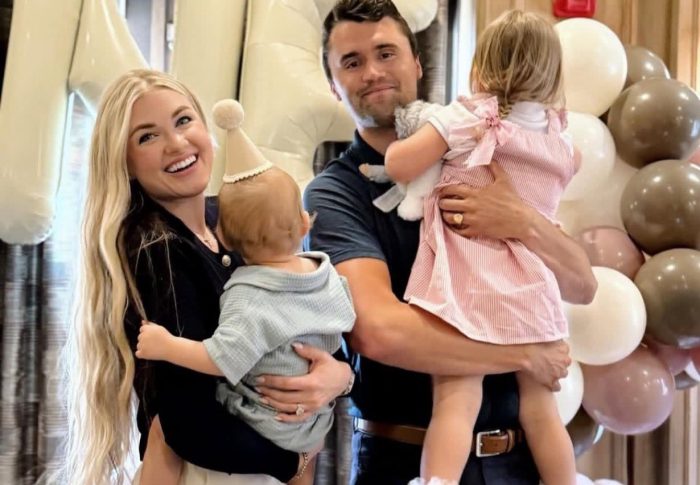
This was the Charlie Kirk I knew

This was the Charlie Kirk I knew

Charlie Kirk and his family
People see Charlie Kirk as this vicious political figure, but I knew him.

He was unbelievably well read on Christian and conservative philosophy and he actually lived by those values in his personal life.

He had two beautiful children. I don’t see a divisive political figure I see a human being who didn’t deserve this at all.
This was the Charlie I knew. An intellectual. A fierce debater. Unafraid of any subject. Charlie was incredibly well-read and sophisticated. He explained Christian philosophy better than most theologians ever could. He knew the philosophical roots of conservatism with a deep understanding. 

He could explain the founding of Western Civilization and our country with incredible intellectual depth—but also in a way that anyone could understand. He knew that these principles are in danger of being lost and made it his mission to go on college campuses, outside our own echo chambers, and open himself up to debate. Unafraid. 
 
Years ago he was asked by someone why he did this. His response was perfect: ‘when we stop talking, we get civil war.’ 

Charlie never stopped talking, not even in his last minutes with us. 
 
It should never have cost him his life. 
 
I want this on the record for his children. As the father of a young daughter, I cannot fathom this heartbreak. We must all share the best of Charlie for the sake of his kids, and the true legacy of their father.
 
God Bless Charlie Kirk and his family.

In Service,

Dan Crenshaw
State Representative Steve Toth Voted Against Key Flood Control Bill — Now Wants to Represent Lake Houston in Congress

State Representative Steve Toth Voted Against Key Flood Control Bill — Now Wants to Represent Lake Houston in Congress

State Representative Steve Toth Voted Against Key Flood Control Bill — Now Wants to Represent Lake Houston in Congress

State Representative Steve Toth is encountering backlash after voting three times over the last three legislative sessions against a non-taxing dredging district that will combat flooding on the San Jacinto River in TX-02, an area he now seeks to represent in Congress.


“I have known Dan Crenshaw since he first ran for office and have immense respect for him,” said Bob Rehak, the host of Reduce Flooding. “He has worked hard to protect the people of this district by securing funding for numerous flood-mitigation projects including dredging. Steve Toth, on the other hand, voted against creating a Lake Houston Dredging District THREE times, dating back to 2021. He even voted against it when it wouldn’t have raised taxes. That tells me he’s out of touch with the needs of people in this congressional district. I plan on voting for Crenshaw.” 


Houston City Councilmember Fred Flickinger also expressed the vital nature of the legislation, stating: “House Bill 1532, authored by Representative Charles Cunningham, is arguably the most important piece of legislation for the Lake Houston area passed in the last several decades. This legislation creates a dredging district which allows us to address sediment in Lake Houston and the tributaries flowing into it proactively, rather than reactively after our area has flooded.  This legislation was introduced in the previous two sessions but failed.  Last year’s rain event was a perfect example of how dredging improves drainage.  The San Jacinto River crested two feet lower than predicted due to the dredging which had been completed over the last several years.  Congressman Crenshaw, Representative Huberty, Senator Creighton and Councilman Martin deserve special credit for securing the funding to complete these dredging efforts, some of which are ongoing today.” 


As the Houston area continues to grapple with the continued threat of flooding, many voters are left wondering why Rep. Toth repeatedly stood in the way of a bi-partisan, tax-neutral solution designed to protect their homes and businesses.

#####

Heartbreak and Heroism in Hill Country, Texas

Heartbreak and Heroism in Hill Country, Texas

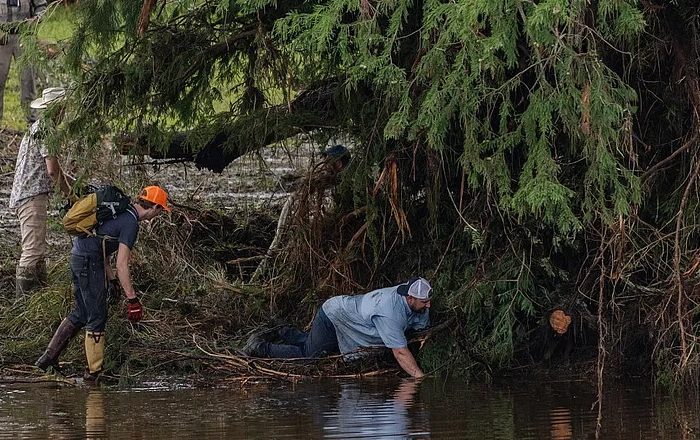
If you live in Central Texas, flash flood warnings are part of life. Nowhere is that truer than the 150-mile stretch of land that sits on the banks of the Guadalupe River. Warnings happen often. Floods themselves are rare.

But on July 4 at 3 a.m., four months’ worth of rain fell within hours, rapidly saturating the dry Hill Country soil and swelling creeks into violent torrents.

The Guadalupe River that snakes through downtown Kerrville averages a depth of just 1.65 feet. But between 5:15 a.m. and 6:45 a.m. that day, it surged from two feet to 34 feet, becoming a literal wall of water that swept through Kerr County communities.

As of this morning, the flash floods have claimed more than 100 lives. Hundreds of families spent Independence Day searching through debris for missing loved ones. Among the dead is Jeff Wilson, a teacher at my hometown school district, Humble ISD. (His wife, Amber, and son, Shiloh, are still missing.)

The dead include 27 children from Camp Mystic, a storied girls’ Christian summer camp.

It’s impossible to look at the pictures of these girls, or to read of children like Brooke and Blair Harber. The sisters—11 and 13 years old—were found with their hands locked together.

I am the father of a young daughter. The pain is unimaginable.

Alongside the heartbreak was the kind of heroism that embodies the best of Texas.

At Camp La Junta, a boys’ summer camp in the small town of Hunt, college-age camp counselors leaped into action to wake the boys and rush them up the hillside to higher ground as flood waters rushed in. By that afternoon, Camp La Junta announced that every camper and staff member was safe and accounted for. Not a single life was lost at La Junta.

Camp Mystic, the historic girls’ camp downriver, bore the worst of the flood. As floodwaters engulfed the camp, its beloved owner and director, 73-year-old Dick Eastland, raced to the Bubble Inn, a cabin just 150 feet from the river, to save the girls in his care. Searchers later found Eastland downriver alongside three young campers. His grandson, George, said this about him: “If he wasn’t going to die of natural causes, this was the only other way, saving the girls that he so loved and cared for.”

Emma Foltz, a counselor at Camp Mystic, is a name every American should know. Foltz, a rising senior at Louisiana Tech, didn’t hesitate and guided 14 young campers from rising waters to high ground. We often think of our younger generations as fragile and afraid. How wrong that caricature can be. It was Americans in their late teens and early 20s who answered the call after 9/11, who stormed the beaches of Normandy, and who fought the British in 1775. Like them, Emma Foltz should be remembered for the same heroic public service.

Nearby, on the same stretch of river, in the Bumble Bee Hills neighborhood, Erin Burgess and her 19‑year‑old son were swept away until they found a tree to cling to for an hour before the water receded. When asked how she survived, Erin credited her teenage son’s strength and tenacity. “Thankfully, he’s over six feet tall. That’s the only thing that saved me, was hanging on to him.”

In the small town of Ingram, 27-year-old Julian Ryan fought to get his fiancée, their two young children, and his mother onto the roof. He punched out a window to give them an exit, a desperate action that severed the artery in his arm. Before the slashed artery rendered him unconscious, he refused to quit and made sure his whole family was safe on top of their roof. He looked at his loved ones, told them he loved them, and apologized that he “wasn’t going to make it.” His body was taken by the river and found hours later, after the water receded.

Our first responders also showed incredible heroism. Petty Officer Scott Ruskan, 26, of the U.S. Coast Guard, was on the first rescue mission of his career when he plunged into the floodwaters. Ruskan personally rescued 165 people stranded by the high water—an astonishing number of lives saved by one man. He was also the lone triage coordinator on the scene, tending to the injured in between helicopter operations to hoist survivors to safety. “I’m just doing a job,” Ruskan said when asked by the New York Post about his heroism. “This is what I signed up for. If anyone else had been on duty that day, they would’ve done the same thing.”

The Texas National Guard and local emergency responders continue their work as of this writing. Guard helicopter crews and high-water rescue teams have been saving families from rooftops and submerged cars without rest. In total, roughly 850 people have been rescued across Central Texas in this disaster—a testament to the tireless work of these men and women. These citizen-soldiers and first responders are showing us all what service truly means.

It is perhaps fitting that these stories of heroism occurred on Independence Day, of all days. It is what Independence Day is really about: heroism, self-sacrifice, courage, and love of community. These are the values we cherish as Americans and as Texans, and they were on full display in Central Texas this weekend.

One never knows if they will be a hero when the time comes. Only a test of tragedy will be the judge. Many think they will act with courage, but fail. Many think they will lack the courage, but instead become the hero we need. Neighbors saved neighbors. Ordinary people became heroes. That is the spirit of Texas. No flood can ever wash it away.

Continue to pray for the victims and their families. Pray for the good people of my beloved state.

This article by Congressman Dan Crenshaw was originally published in The Free Press on July 7, 2025

Why We Need the RIOT Act Now

Why We Need the RIOT Act Now

immigrant riots

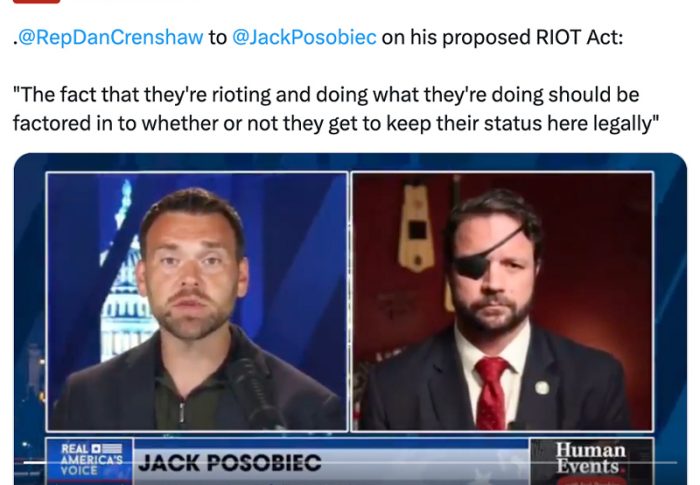
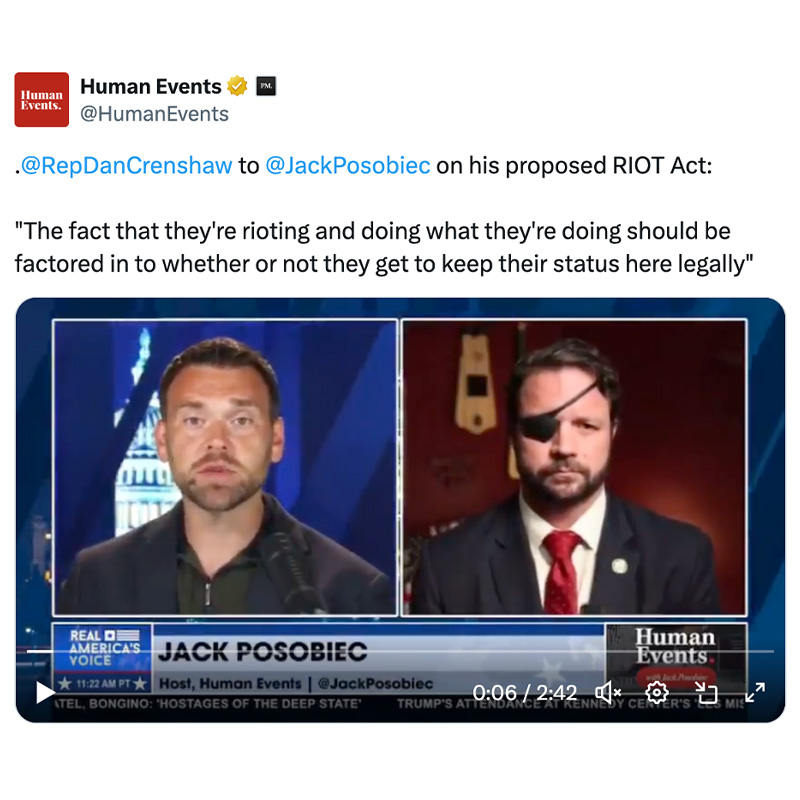
WATCH DAN CRENSHAW ON DISINCENTIVIZING IMMIGRANT RIOTS

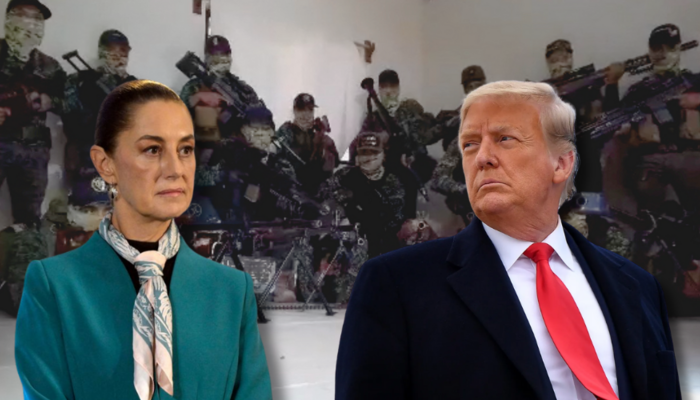
The war on drugs is now a counter-insurgency war. The Mexican cartels no longer resemble their origins as criminal drug traffickers, but that of a terrorist insurgency, and we need a strategy alongside the Mexican government to win this war. 

I call this strategy the North American Security Initiative, and the stakes could not be higher. Tens of thousands of American lives depend on our success, as does the future stability of North America. The United States simply cannot allow Mexico, our neighbor and largest trading partner, to devolve into a failed narco-state. 

Cartels have infiltrated every level of Mexican society, from the private sector to government to pop culture. They use terrorist tactics to suppress dissent and destabilize governments. They have effectively conquered regions of Mexico. They enact insidious propaganda and recruitment strategies, while their paramilitary arms rival the capabilities of the Mexican government. This insurgent-like behavior necessitates a counter-insurgency doctrine.

In 2000, we began “Plan Colombia,” providing Colombians with the resources—military equipment, training, and intelligence—to defeat the enemy within. The results? Massive improvements in Colombia over the past 20 years, going from a near-failed narco-state to the relatively safe and prosperous tourist destination it is today. I can speak from personal experience, having lived in Colombia from 1998-2002 during the height of the guerilla insurgency. But modern Mexico has a far deadlier cartel problem, and their historic reluctance to accept US assistance has allowed the problem to fester. 

So, what does a counter-insurgency doctrine in Mexico look like? Put simply, it requires the integration of military, intelligence, law enforcement, judicial, and diplomatic strategies.

The Mexicans are outgunned, for starters. We (Congress) need to authorize additional Presidential Drawdown Authority to properly arm the Mexican military—Black Hawk helicopters, close air support aircraft, and ISR (Intelligence, Surveillance, and Reconnaissance) capabilities, to name a few. We must develop a plan to train, at scale, Mexican special forces units and seek permissions from the Mexican government for our Special Forces to operate alongside these units, along with strong oversight to mitigate historic issues of corruption.

But this isn’t solely a military operation. There are critical judicial and law enforcement elements. Unfortunately, the Mexican judicial system is incompetent and often corrupt (though it has improved already under President Sheinbaum). This is where existing programs within Homeland, the DOJ, Treasury, and the FBI must be bolstered—we can offer training for judges, prosecutors, and police officers, as well as provide technical assistance for anti-corruption initiatives. And we must hit the cartels where it hurts the most: their pocketbook. 

Intelligence sharing is currently stronger than many realize and has led to some great success in recent months. Contrary to past Mexican administrations, the Sheinbaum national security team led by Secretary Omar Harfuch (himself a victim of an assassination attempt by the Jalisco cartel) has been relentless in their pursuit of cartel networks.

Fighting an insurgency requires network targeting, which means pursuing middle management as well as the “kingpins.” Sometimes you get more strategic benefit by arresting an irreplaceable money broker than a replaceable cartel boss. My amendment signed into law last year created long overdue changes to FISA collection capabilities, thus enabling new collection against the cartels that are just now coming to fruition. But more intelligence resources on the ground and in the air are needed. 

Fundamentally, counter-insurgency doctrine will mean the US assisting Mexican federal forces inside cartel-held territories with two basic missions: target the cartels and bolster the local and state police that are overwhelmed and outgunned. Are the local authorities often corrupt? Of course. But do they have choice? They live in the reality of “plata o plomo,” translated to “lead or money.” Fighting an insurgency means changing this dynamic. 

Whether we like it or not, we are already engaged in a counter-insurgency war against an increasingly dangerous enemy. And worse, we are currently operating without a coherent strategy.

But the good news is that we finally have an opportunity to change that. President Trump has made it clear this will be a priority. And for the first time in many years, the Mexican government is a willing partner. We must not let this opportunity go to waste.

This oped by Dan Crenshaw originally appeared in Human Events

“We’re in a Counter-Insurgency War Against the Mexican Cartels—It’s Time We Start Acting Like It”

“We’re in a Counter-Insurgency War Against the Mexican Cartels—It’s Time We Start Acting Like It”

The war on drugs is now a counter-insurgency war. The Mexican cartels no longer resemble their origins as criminal drug traffickers, but that of a terrorist insurgency, and we need a strategy alongside the Mexican government to win this war.

I call this strategy the North American Security Initiative, and the stakes could not be higher. Tens of thousands of American lives depend on our success, as does the future stability of North America. The United States simply cannot allow Mexico, our neighbor and largest trading partner, to devolve into a failed narco-state. 

Cartels have infiltrated every level of Mexican society, from the private sector to government to pop culture. They use terrorist tactics to suppress dissent and destabilize governments. They have effectively conquered regions of Mexico. They enact insidious propaganda and recruitment strategies, while their paramilitary arms rival the capabilities of the Mexican government. This insurgent-like behavior necessitates a counter-insurgency doctrine.

In 2000, we began “Plan Colombia,” providing Colombians with the resources—military equipment, training, and intelligence—to defeat the enemy within. The results? Massive improvements in Colombia over the past 20 years, going from a near-failed narco-state to the relatively safe and prosperous tourist destination it is today. I can speak from personal experience, having lived in Colombia from 1998-2002 during the height of the guerilla insurgency. But modern Mexico has a far deadlier cartel problem, and their historic reluctance to accept US assistance has allowed the problem to fester. 

So, what does a counter-insurgency doctrine in Mexico look like? Put simply, it requires the integration of military, intelligence, law enforcement, judicial, and diplomatic strategies.

The Mexicans are outgunned, for starters. We (Congress) need to authorize additional Presidential Drawdown Authority to properly arm the Mexican military—Black Hawk helicopters, close air support aircraft, and ISR (Intelligence, Surveillance, and Reconnaissance) capabilities, to name a few. We must develop a plan to train, at scale, Mexican special forces units and seek permissions from the Mexican government for our Special Forces to operate alongside these units, along with strong oversight to mitigate historic issues of corruption.

But this isn’t solely a military operation. There are critical judicial and law enforcement elements. Unfortunately, the Mexican judicial system is incompetent and often corrupt (though it has improved already under President Sheinbaum). This is where existing programs within Homeland, the DOJ, Treasury, and the FBI must be bolstered—we can offer training for judges, prosecutors, and police officers, as well as provide technical assistance for anti-corruption initiatives. And we must hit the cartels where it hurts the most: their pocketbook. 

Intelligence sharing is currently stronger than many realize and has led to some great success in recent months. Contrary to past Mexican administrations, the Sheinbaum national security team led by Secretary Omar Harfuch (himself a victim of an assassination attempt by the Jalisco cartel) has been relentless in their pursuit of cartel networks.

Fighting an insurgency requires network targeting, which means pursuing middle management as well as the “kingpins.” Sometimes you get more strategic benefit by arresting an irreplaceable money broker than a replaceable cartel boss. My amendment signed into law last year created long overdue changes to FISA collection capabilities, thus enabling new collection against the cartels that are just now coming to fruition. But more intelligence resources on the ground and in the air are needed. 

Fundamentally, counter-insurgency doctrine will mean the US assisting Mexican federal forces inside cartel-held territories with two basic missions: target the cartels and bolster the local and state police that are overwhelmed and outgunned. Are the local authorities often corrupt? Of course. But do they have choice? They live in the reality of “plata o plomo,” translated to “lead or money.” Fighting an insurgency means changing this dynamic. 

Whether we like it or not, we are already engaged in a counter-insurgency war against an increasingly dangerous enemy. And worse, we are currently operating without a coherent strategy.

But the good news is that we finally have an opportunity to change that. President Trump has made it clear this will be a priority. And for the first time in many years, the Mexican government is a willing partner. We must not let this opportunity go to waste.

This op ed was originally published in Human Events Daily on June 10, 2025.

Bernie’s Lies About President Trump’s Big Beautiful Bill

Bernie’s Lies About President Trump’s Big Beautiful Bill

Bernie's lies about President Trump's Big Beautiful Bill
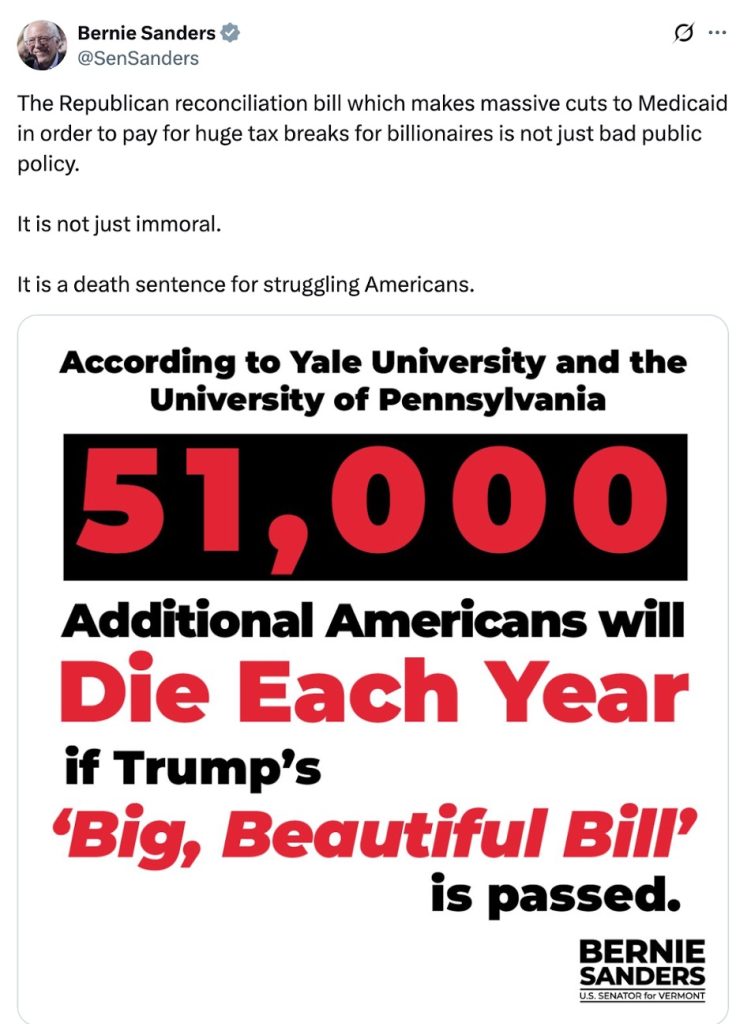
This tweet basically sums up Bernie’s lies, and the left’s argument, against anything Trump does: “PEOPLE ARE GOING TO DIE!!”

This is the case for everything. President Trump wants to cut taxes? A death sentence according to the left! President Trump thinks we should use reliable fossil fuels instead of unreliable solar and wind? He’s killing everyone on the planet, Greta Thunberg screams! President Trump believes we should secure the border? Children will die!

So, it’s no surprise that we’re seeing the same hyperbolic rhetoric about President Trump’s Big Beautiful Bill. But Bernie’s claim that the bill will kill 51,000 people every year is just absurd, dangerous, and flat out wrong. Here are the facts. 

First off, Bernie asked Yale and Penn to produce a number he could weaponize, and they obliged. I read their letter. Here’s why it’s built on bad assumptions and politics, not facts.

They claim 11,300 people will die from losing Medicaid or ACA coverage. What do they leave out? Most of those losing coverage are: 1.4 million Illegal immigrants, 2.8 million duplicate or enrollees who make too much money to be on these programs in the first place, 4.8 million able-bodied adults who don’t need to be on government-subsidized healthcare. 

We’re restoring the program to serve those who truly need it. That’s fair, and it pus Medicaid on a better financial footing for the people it was intended to serve. 

They say 18,200 seniors will die from losing automatic access to drug subsidies. That’s not how this works. These seniors can still apply and get help. The letter assumes no one re-enrolls. This is just updating eligibility, like every program does. They say 13,300 will die if we repeal a nursing home staffing mandate. But that mandate isn’t funded, and many nursing homes, especially in rural areas, can’t meet it. Keeping it would force closures. Repealing it actually keeps care available.

Now here’s what the bill really does: It protects Medicaid for seniors, kids, people with disabilities, and pregnant women. It cuts out waste, fraud, and ineligible use. And yes — it brings back work requirements. The work requirement provision simply says if you’re healthy, not in school, and have no kids, you have to work, volunteer, or train 20 hours a week to keep benefits. According to polling, 81% of Americans think that sounds fair.

So, no Bernie, we are not killing people. We are preserving government programs for people who actually need them and Americans agree with our efforts. Fear mongering is not going to work against common sense.

How Psychedelic Drug Therapy Can Save Lives

How Psychedelic Drug Therapy Can Save Lives

psychedelic drug therapy
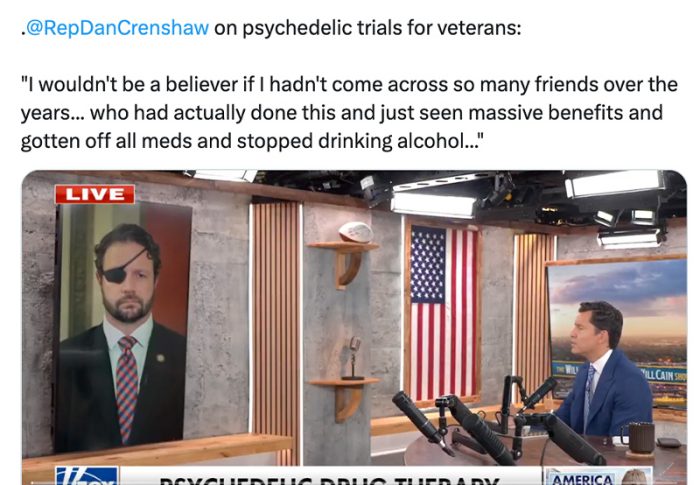
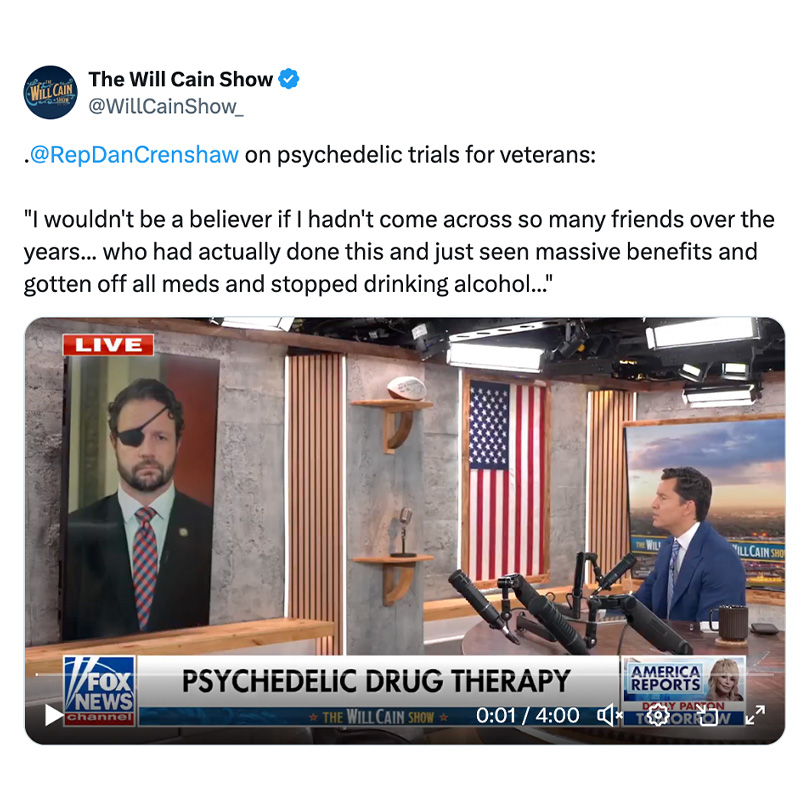
Watch Dan Crenshaw discuss his legislation authorizing trials on psychedelic drug therapy at the Department of Defense

Giving veterans and active duty service members access to psychedelic therapy to treat PTSD has been a top priority for me for years now in Congress. This mission has always been personal. I’ve lost brothers to invisible wounds of PTSD, and I’ve watched others recover when nothing else worked.

That’s why I passed a law authorizing trials on psychedelic therapies like psilocybin and ibogaine through the Department of Defense. Stanford’s study on ibogaine showed an 88% drop in PTSD symptoms, 87% reduction in depression, and 81% decrease in anxiety for veterans with traumatic brain injury. These promising treatments can save lives. 

I’m more encouraged about the potential for progress on this issue than I have been in a long time. President Trump has real advocates for this therapy in top positions within his administration, including Health and Human Services Secretary RFK Jr. With the Trump Administration’s openness and strong bipartisan support for this policy, we’re closer than ever to ensuring we fully research the potential clinical benefits of breakthrough therapies so we can get veterans the treatment they need.

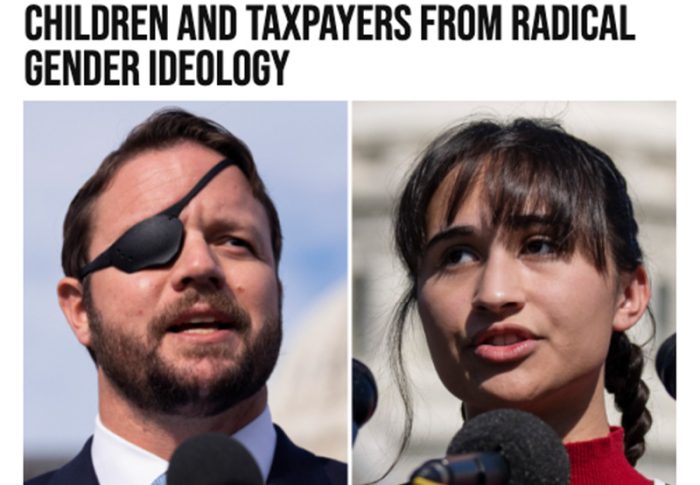
Rep. Dan Crenshaw and Chloe Cole: The Big Beautiful Bill Protects Children and Taxpayers From Radical Gender Ideology

Rep. Dan Crenshaw and Chloe Cole: The Big Beautiful Bill Protects Children and Taxpayers From Radical Gender Ideology

The “Big Beautiful Bill” will accomplish a lot, including reigniting America’s economy and keeping your tax rates low. But perhaps one of the most important things it does may be getting overlooked. It bans the use of taxpayer funds in Medicaid, the Children’s Health Insurance Program (CHIP), and Affordable Care Act for transgender procedures.

Put simply: it protects vulnerable kids and American taxpayers.

For years, we have both led the charge to keep kids safe from radical gender ideology, one of us from Congress and one of us from the trenches of the public square. Rep. Crenshaw authored the Crenshaw Amendment specifically for the “Big Beautiful Bill,” which prohibits taxpayer funding for puberty blockers, cross-sex hormones, and sex-change surgeries. And Ms. Cole is herself a victim of radical gender ideology, having tried to transition genders starting at age 12—only to regret it by age 16.

No one knows this fact better than Chloe Cole. Children should never be subjected to this medical assault on their developing body and mind. Encouraged by radicalized medical “professionals,” these transgender procedures are invasive and irreversible, leading to a lifetime of complications and additional health problems. Children, lacking the mental and physical maturity to make life-altering decisions, simply cannot understand the consequences of these procedures—not in the short term and especially not in the long term. True “consent,” as we would normally understand the term, cannot exist under these circumstances.

This is common sense. First of all, most Americans agree with these simple statements. But the scientific consensus also backs our position. Various systematic reviews of the evidence came to the same scientific conclusions: low quality evidence of any benefits, with immense risks.

And yet, the medical establishment, like so many other parts of society, has been overtaken by activists masquerading as “experts.” They’re putting ideology ahead of ethics, and children across America are paying the price for the leftist activists’ arrogance.

No taxpayer should be forced to cover the cost of these procedures. Doing so makes Americans complicit in the destruction of children’s minds and bodies. When people pay taxes, they assume they’re funding things like national security and the safety net. They don’t think they’re paying for a misguided doctor to cut off the genitalia of a confused child. The only thing taxpayers should cover in that situation is real mental health care.

To his credit, President Trump has already taken strong steps to protect children and taxpayers from radical gender ideology. He has issued an executive order that prohibits the use of taxpayer funding for sex changes. He has also directed his administration to investigate those who put children at risk. Most recently, the Trump administration released its own sweeping review of the evidence surrounding pediatric transgender procedures. The short version: There’s no real evidence of benefits to children—but there’s reams of evidence showing that kids are being irreparably harmed.

These are steps in the right direction, but the “Big Beautiful Bill” is the most important step of all. Until the Crenshaw Amendment and further restrictions are  written into federal law, a future president can simply undo the protections that President Trump has put in place. Congress must do its part to make this permanent.

This isn’t some fringe issue, by the way. The medical nonprofit Do No Harm has found that 14,000 kids between 2019 and 2023 alone have already been subjected to dangerous transgender procedures, many of them using taxpayer funds. With a federal law in place, taxpayers and parents can rest easier.

Know this: we are winning, but the fight isn’t over. The Crenshaw Amendment is a giant leap forward, and this is our chance to pass it and do what is right for our children.

Dan Crenshaw represents Texas’s 2nd congressional district in the U.S. House of Representatives. Chloe Cole is the patient advocate at Do No Harm.

Paying Texas Back For Securing the Border

Paying Texas Back For Securing the Border

Paying Texas Back for Securing the Border
CLICK HERE TO READ MORE ABOUT HOW THE ONE BIG BEAUTIFUL BILL IS PAYING TEXAS BACK FOR SECURING THE BORDER
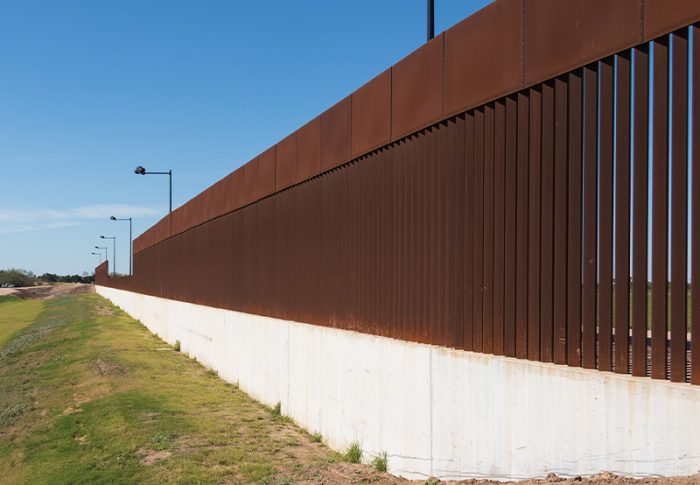
Another policy closer to home that I have been working on for several Congresses also made it into President Trump’s legislative package – reimbursing Texas for doing the federal government’s job of securing the border. 

For too long, Texas taxpayers have been footing the bill for securing America’s border which is supposed to be the federal government’s job. It is not fair to Texans and it allowed politicians in Washington to abdicate their responsibility to do anything about border security.  Texas state officials stepped up when the Biden administration wouldn’t even do the bare minimum. And it wasn’t cheap. Over $11 billion was spent on necessary measures that protected not only our state, but the entire country.

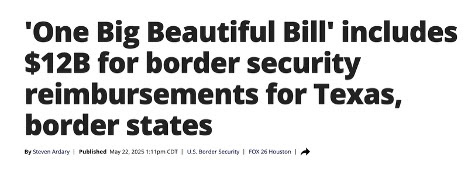
That’s why I introduced the State Border Security Reimbursement Act back in 2021 — to make the federal government acknowledge the massive burden an open border has put on Texas from a financial and security standpoint. It’s been a long fight, but the Texas Republican delegation is bringing home a win. Reimbursement funding is now included in President Trump’s One, Big, Beautiful Bill, and it will significantly defray the burden Texas and other border states were forced to take on.